Windows Server — how to download and install (2008 → 2025)
Windows Server is Microsoft’s family of operating systems built for corporate networks and data centers. This guide explains how to download and install various Windows Server editions—from 2008 to the most recent ones—so you can test, deploy, and activate them properly.
1. Preparation
Before installing Windows Server, make sure you:
-
Choose the right version: Microsoft ships multiple Windows Server versions for different needs. From 2008 through 2025 these include:
- Windows Server 2008 / 2008 R2
- Windows Server 2012 / 2012 R2
- Windows Server 2016
- Windows Server 2019
- Windows Server 2022
- Windows Server 2025
Check system requirements: Ensure your hardware meets the minimum specs for the edition you plan to install.
Have a Microsoft account: You’ll need it to download media and obtain / manage activation keys.
2. Downloading Windows Server
The official Microsoft website is the most reliable place to get Windows Server. You’ll find current and previous releases, including evaluation, developer and education images.
-
Go to Microsoft’s download pages:
- Use Microsoft Download Center or Support to locate the desired ISO image.
-
Pick your version:
- Windows Server 2008 / 2008 R2: Out of support; available only under enterprise agreements or archival sources.
- Windows Server 2012 / 2012 R2: ISO images are available from Microsoft’s site.
- Windows Server 2016, 2019, 2022: Evaluation editions (180 days) can be downloaded for testing; they’re also available via Visual Studio (MSDN) subscriptions.
-
Download:
- Grab the ISO you need. If you already have a product key, use it during setup to activate.
3. Installing Windows Server
Once you have the ISO, proceed with installation:
-
Create bootable media:
- Use Rufus or Microsoft’s media tools to write the ISO to a USB drive (or a DVD).
-
Boot and start setup:
- Attach the bootable drive and reboot. In BIOS/UEFI, select USB/DVD as the first boot device.
-
Follow the installer:
- Select language, partition disks, and choose roles/features as needed. Enter your key when prompted if you have one.
-
Post-install tasks:
- Install updates, set networking, and add roles such as Active Directory, DHCP, DNS, etc.
4. Activation & configuration
Activate Windows Server using:
- Online activation: Enter a valid product key to activate over the Internet.
- Phone activation: If online activation isn’t possible, follow on-screen steps to activate by phone.
Then continue configuring the server for your workloads (domain services, file services, web hosting, and more).
Windows Server 2025 Standard
- ISO ≈ 5.2 GB
- x64
- RU
Windows Server 2025 Datacenter
- ISO ≈ 5.2 GB
- x64
- RU
Windows Server 2022 Standard
- ISO ≈ 5 GB
- x64
- RU
Windows Server 2022 Datacenter
- ISO ≈ 5 GB
- x64
- RU
Windows Server 2019 Datacenter
- ISO ≈ 5 GB
- x64
- RU
Windows Server 2019 Standard
- ISO ≈ 5 GB
- x64
- RU
Windows Server 2016 Datacenter
- ISO ≈ 5 GB
- x64
- RU
Windows Server 2016 Standard
- ISO ≈ 5 GB
- x64
- RU
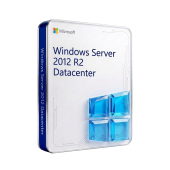
Windows Server 2012 R2 Datacenter
- ISO ≈ 5 GB
- x64
- RU
Windows Server 2012 R2 Standard
- ISO ≈ 5 GB
- x64
- RU
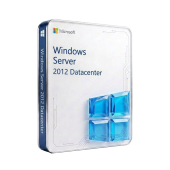
Windows Server 2012 Datacenter
- ISO ≈ 3 GB
- x64
- RU
Windows Server 2012 Standard
- ISO ≈ 3 GB
- x64
- RU
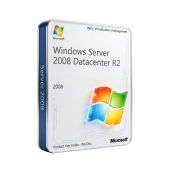
Windows Server 2008 R2 Datacenter
- ISO ≈ 3 GB
- x64
- RU
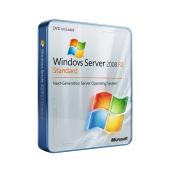
Windows Server 2008 R2 Standard
- ISO ≈ 3 GB
- x64
- RU
Windows Server 2008 R2 Enterprise
- ISO ≈ 3 GB
- x64
- RU